Our Vision
High Quality Education at Affordable Cost
Our vision is high quality education at an affordable cost — a safe, warm, healthy school where every child grows with both the theoretical and practical knowledge they truly need.

A child-centered English-medium school in Siddhipur, Lalitpur — nurturing curious, creative, kind learners through activity, experience, and love.
Welcome to Nawakunja
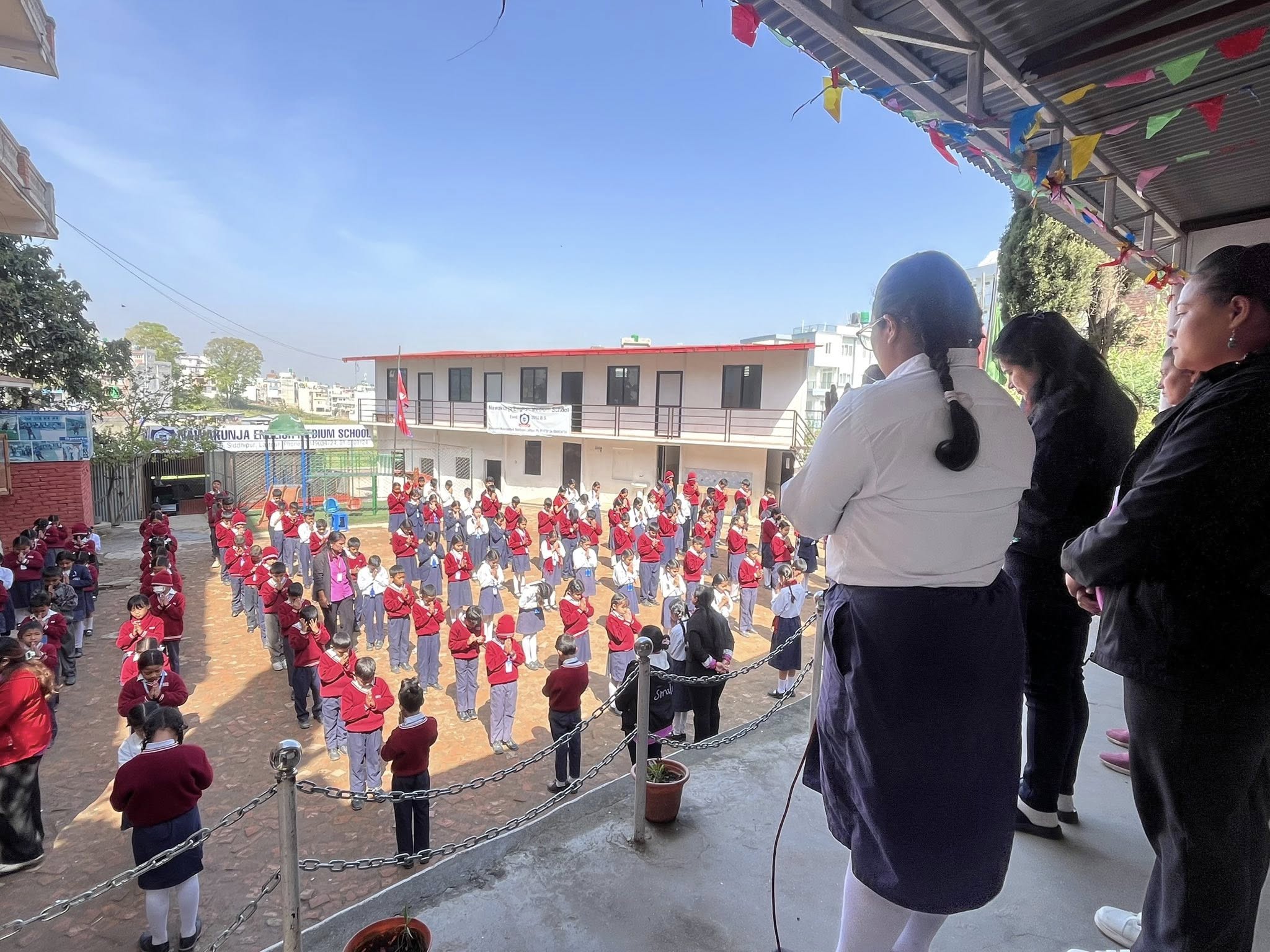
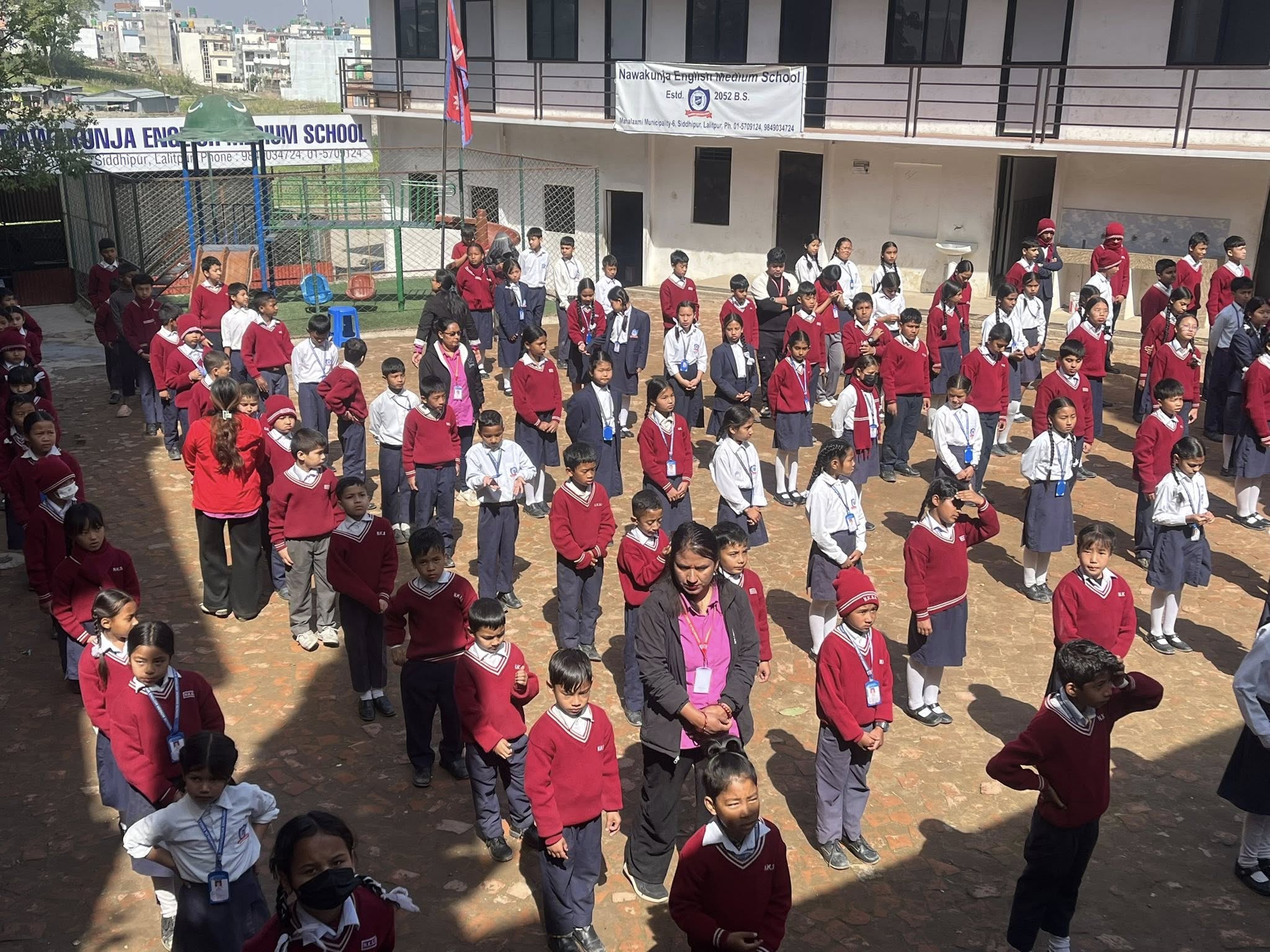
At Nawakunja English Medium School, learning is joyful, hands-on, and deeply personal. We teach children — not just subjects — and we measure growth with care, not fear.
Founded in 2052 B.S. (1995) in Siddhipur, Lalitpur, Nawakunja has grown into a warm community of learners, teachers, and families who believe that character, curiosity, and care matter as much as content.


Why Nawakunja
Six everyday commitments we make to every child who walks through our gate.
Every child is met where they are. Lessons follow the learner, not the other way around.
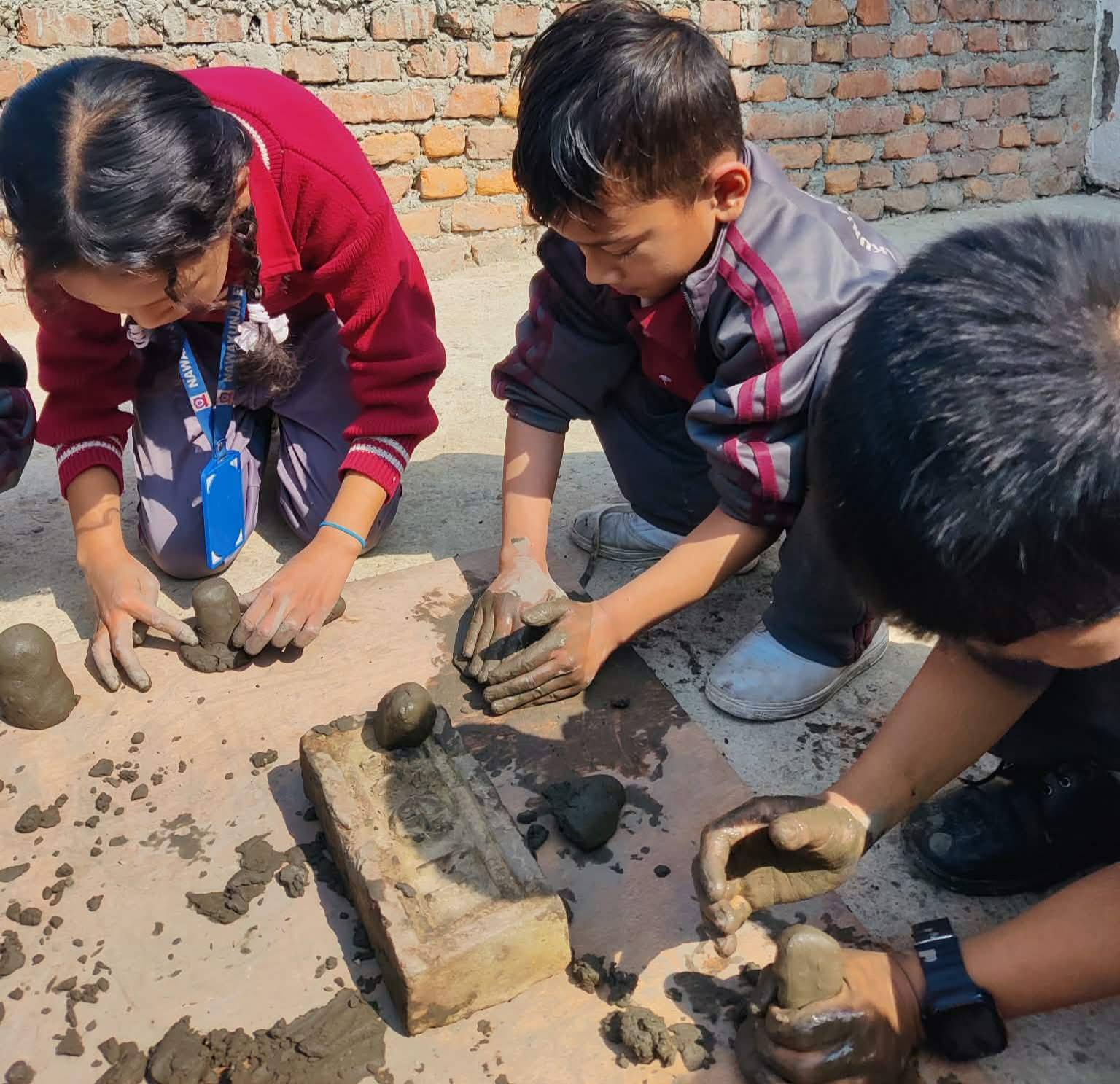
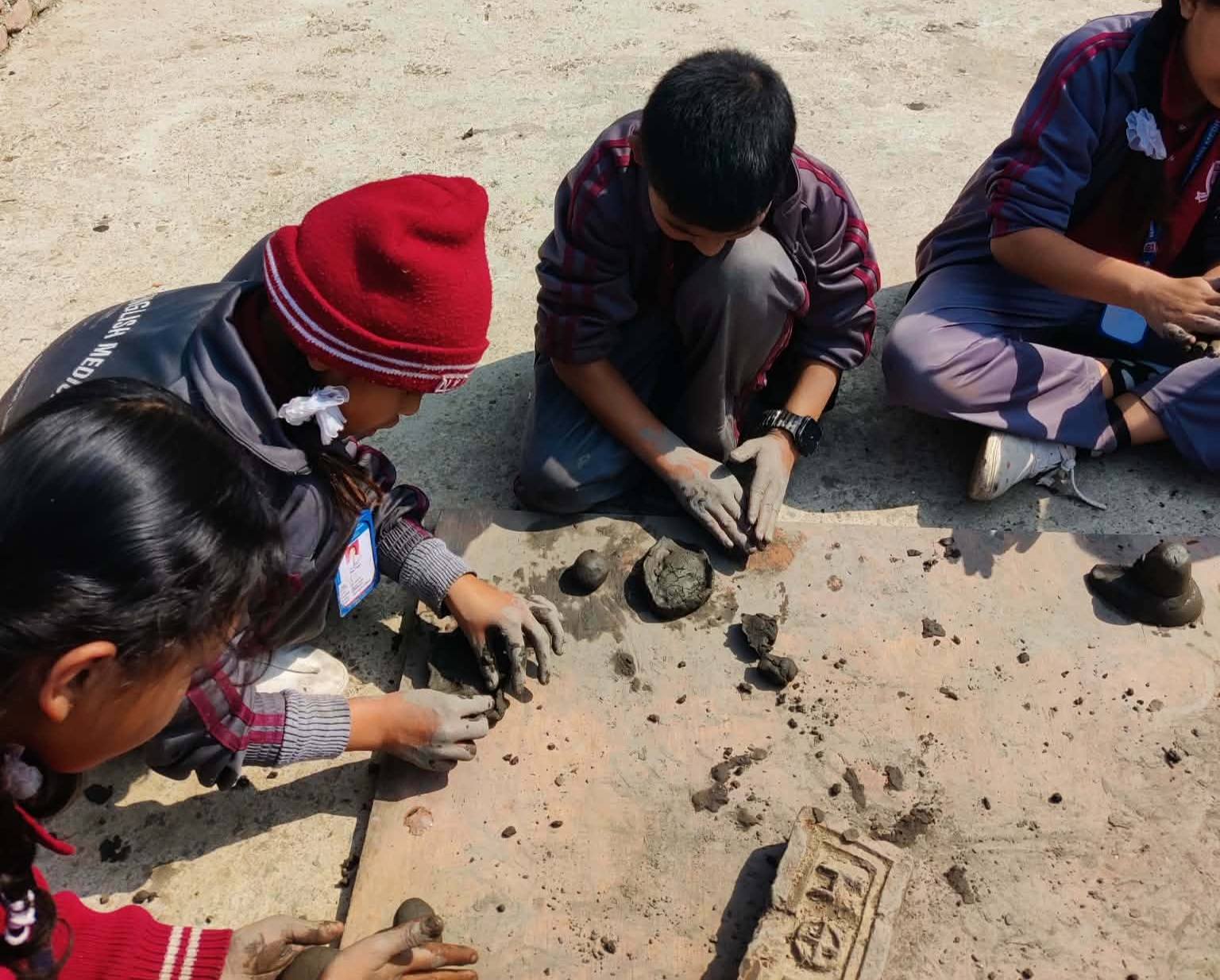
Children learn by doing — clay modelling, experiments, storytelling, role-play, projects.
Immersive yet supportive English practice across classes, play, and everyday routines.
Teachers know each child by name, pace, strength, and need.
Intentionally small groups so every voice is heard and every question answered.
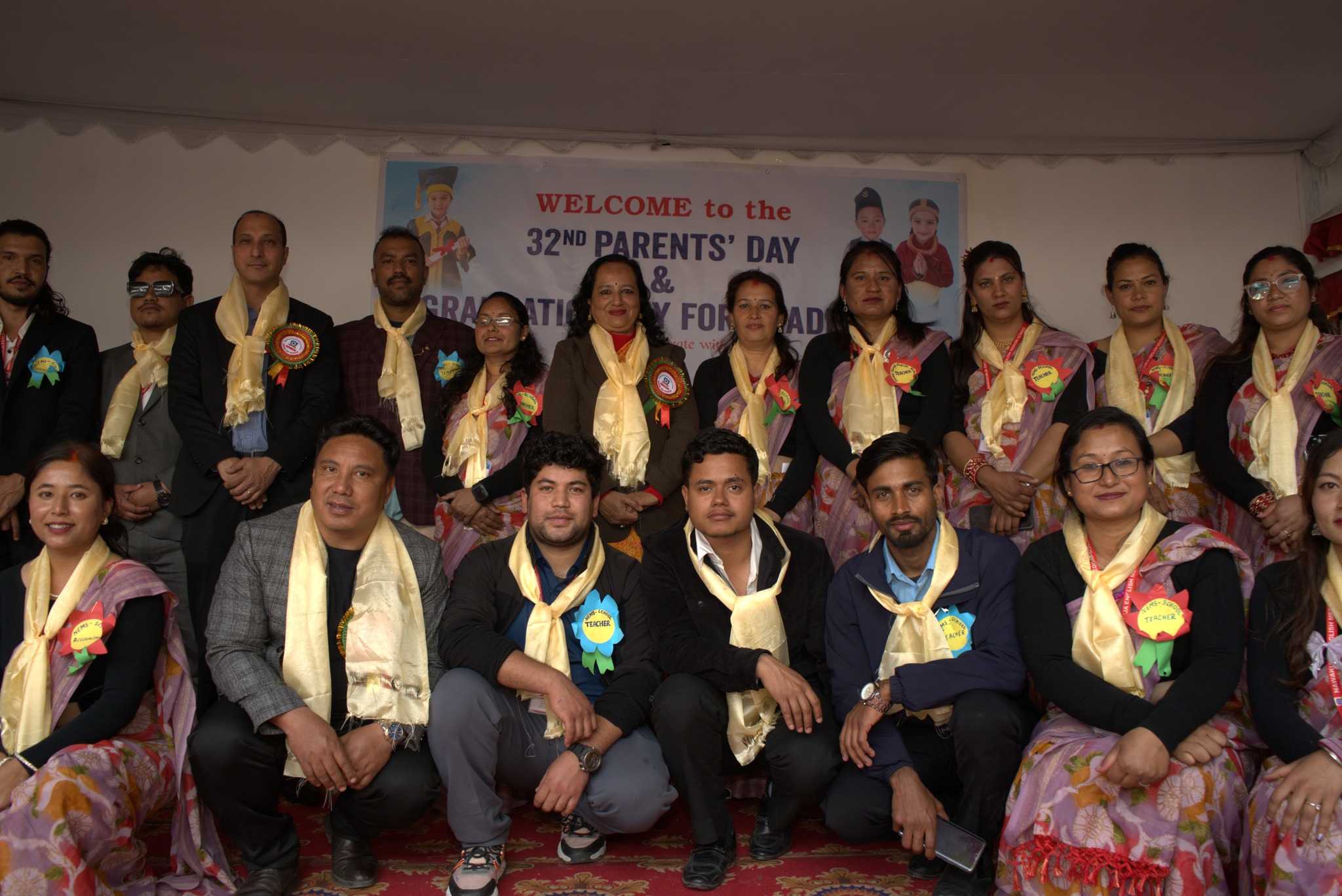
Trained educators who bring both pedagogy and warmth into the classroom.
Our Vision
Our vision is high quality education at an affordable cost — a safe, warm, healthy school where every child grows with both the theoretical and practical knowledge they truly need.
Our Mission
Our mission is to build essential soft skills through an integrated, transdisciplinary curriculum. Our pedagogy follows the 5E approach — Engagement, Exploration, Explanation, Elaboration, Evaluation — layered with the 7E model for deeper inquiry. We implement the curriculum through critical thinking: helping children transform what they know by harvesting the new, the unexpected, and the extraordinary.
How we teach
Seven principles that shape every lesson at Nawakunja.
Empathise → define → ideate → prototype → test. Classrooms that treat children as thinkers, makers, and problem-solvers.
A school-developed syllabus that weaves literacy, numeracy, science, art, and values into one meaningful story rather than disconnected subjects.
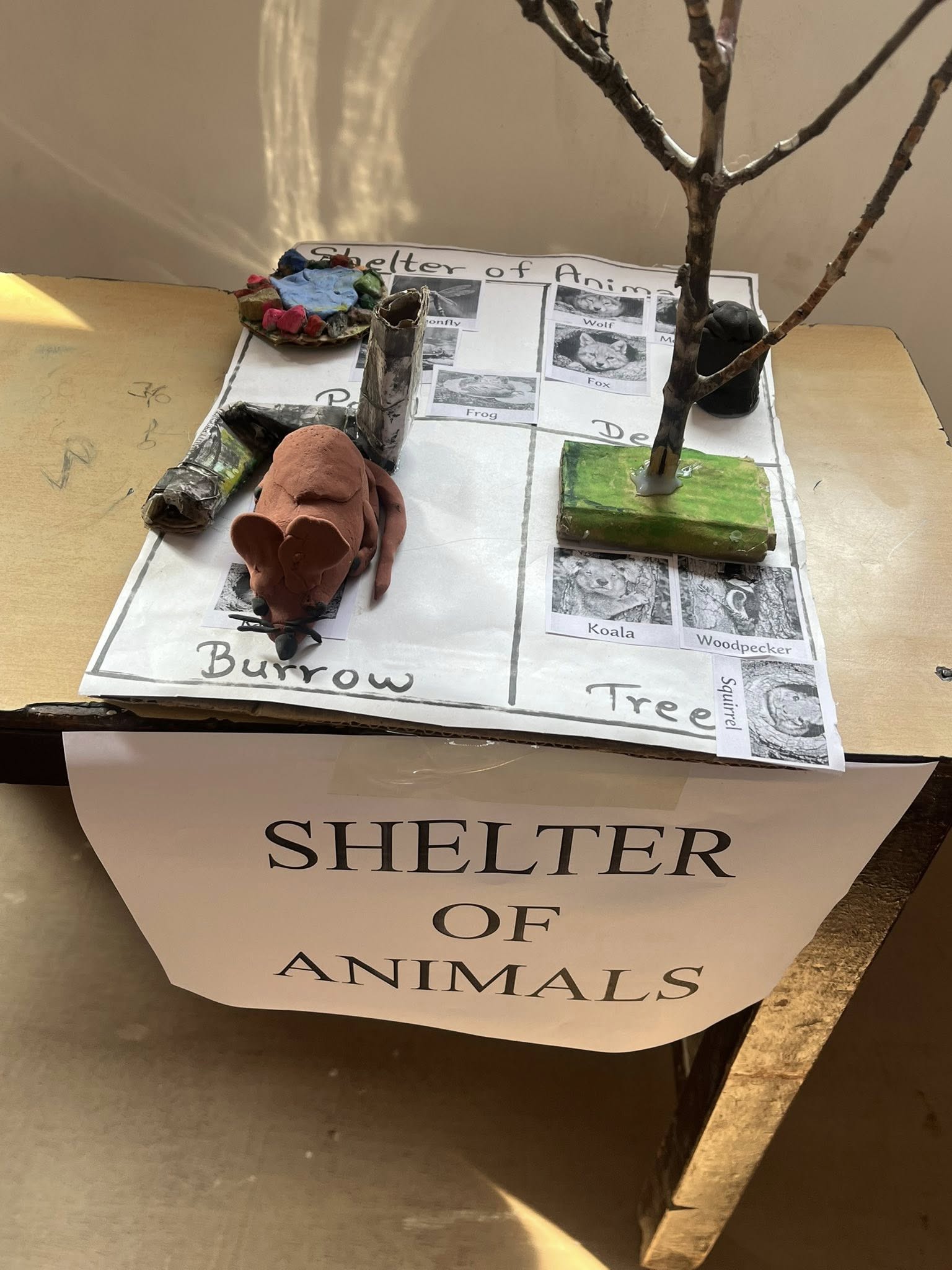
Learning organised around real themes children can see, touch, and talk about — seasons, water, community, health.
Intentional daily practice in listening, speaking, reading, and writing — in English and Nepali — so every child becomes a confident communicator.
We welcome diverse learners, including those with different learning needs. Teachers adapt tasks, not standards.
ICT-based teaching, smart-class resources, and safe, purposeful screen use that supports (not replaces) hands-on learning.
Children are encouraged to ask "why" and "what if" — to build, test, revise, and share ideas.
Programs
From Nursery to Secondary — a consistent, child-first thread across the years.
Play · Story · Song
Nursery · LKG · UKG · age 3 to 5 years
A gentle, joyful start. Children build confidence, language, and motor skills through play, stories, songs, and guided exploration — never through tests.
Explore →Integrated · Theme-based
Grades 1 · 2 · 3 · age 6 to 8 years
Following Nepal's Integrated Curriculum (सामुदायिक/एकीकृत पाठ्यक्रम). Subjects are woven into themes — community, water, seasons, health — so learning feels whole.
Explore →Transition · No exams
Grade 4 · age 9 years
Grade 4 is our gentle bridge into subject-wise learning. Children still experience continuous assessment — no formal exams — while gaining stronger study habits.
Explore →7E · Design thinking
Grades 5 · 6 · 7 · 8 · age 10 to 13 years
Here the 7E model comes fully into play: Elicit, Engage, Explore, Explain, Elaborate, Evaluate, Extend. Students take greater ownership of their learning.
Explore →SEE · Life-ready
Grades 9 · 10 · age 14 to 15 years
Preparation for the Secondary Education Examination (SEE) while keeping our child-centered, design-thinking approach alive. We prepare humans, not just candidates.
Explore →Aligned with Govt. of Nepal CDC
We follow the Government of Nepal's direction for early grades: learning comes first, exams don't. Children in grades 1–4 are assessed continuously — through observation, portfolios, presentations, and projects — not through high-stakes tests.
Beyond the classroom
Children grow best when hands, hearts, and minds all get a turn.
Principal's message
As a principal I have realised that helping students truly learn is a tough, beautiful job. It asks for more than the desire to teach — it asks for proven and innovative approaches, tailored to each child. The best way to reach children is to engage them practically and joyfully, activating their creativity and exploratory abilities while balancing the theoretical with the hands-on. Since adopting this approach, we have seen positive impact across all students. Engaging children creatively in their studies also brings moral values into their lives — we see it in the good manners they carry inside school and outside it.
Committed to inclusive education, supporting diverse learners — including children with different learning needs.
— Prerana Kharel
“Best environment for my child's growth.”
— A Nawakunja parent
The best way to understand Nawakunja is to visit. Tour the campus, meet the teachers, and see a class at work.